


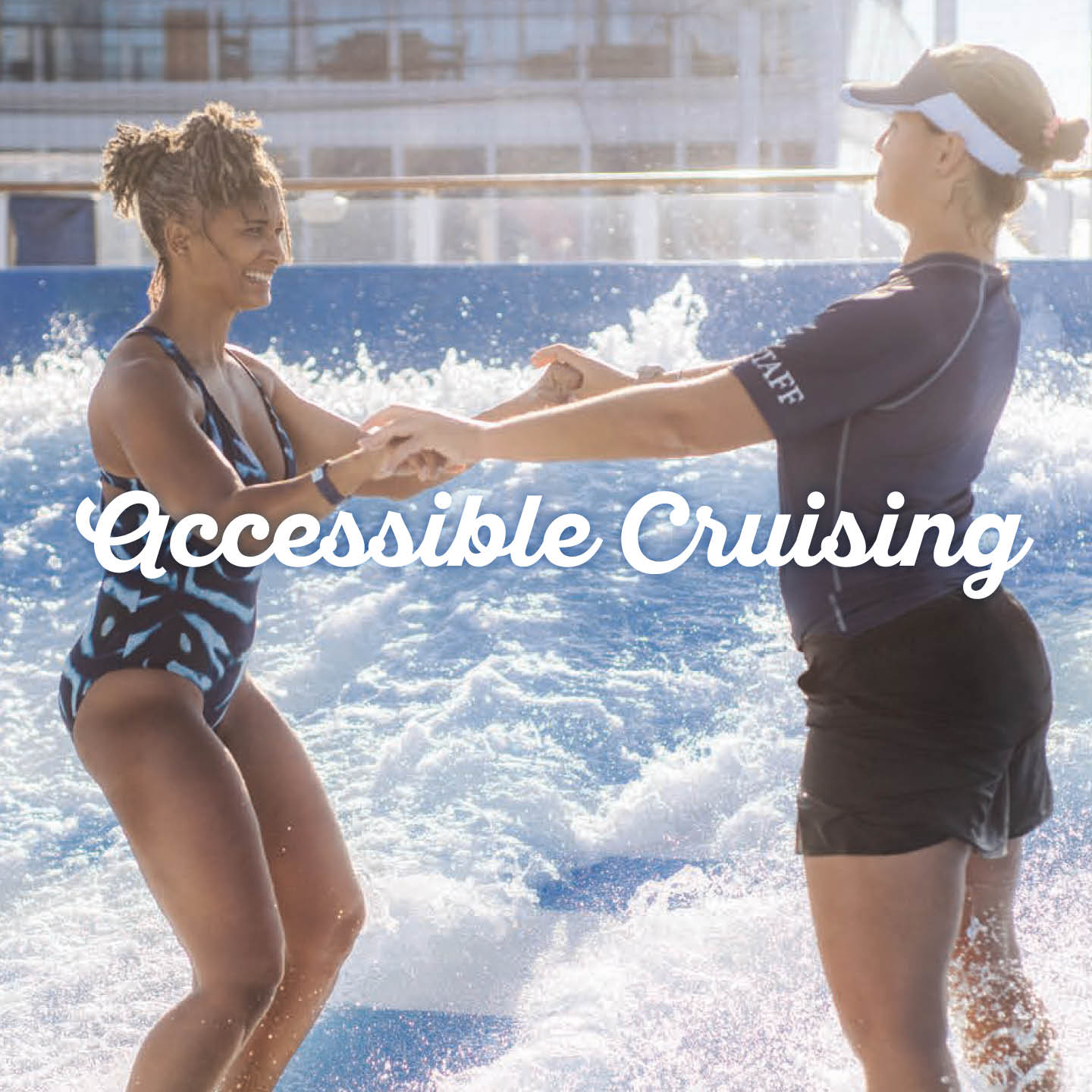
Accessible Cruising: Inclusive Holidays at Sea

Cruising is one of the most inclusive holiday options for travellers with disabilities or accessibility needs. Modern ships are designed with features and services to support mobility, sensory, and medical requirements, making it easier for everyone to enjoy a safe and comfortable holiday at sea.


Accessible cruising facilities and support

Accessible Cabins & Facilities

  • Specially designed staterooms with wider doors, roll-in showers, grab bars, and accessible balconies.
  • Public areas with ramps, elevators, automatic doors, accessible seating, and pool lifts.
  • Theatres and entertainment venues equipped with wheelchair spaces and assistive listening devices.

Support Services

  • Priority boarding and disembarkation.
  • Storage and charging for mobility scooters and wheelchairs.
  • Accommodation for medical equipment (e.g., oxygen, dialysis support).
  • Special dietary needs catered for on request.
  • Assistance for guests who are blind, have low vision, are deaf, or hard of hearing, such as Braille menus, tactile signage, captioning, or sign language interpretation (where available).

Shore Excursions

  • Increasing availability of accessible tours with step-free transport, adapted vehicles, and guides experienced in supporting travellers with disabilities.
  • Accessibility can vary depending on port infrastructure, so advance planning is important.

Planning Ahead

  • Notifying the cruise line of requirements before sailing ensures cabins, services, and excursions can be arranged.
  • Some cruise lines have dedicated accessibility departments to assist guests before and during their journey.

Overall
Accessible and disability cruising allows travellers to explore multiple destinations without the challenges of frequent hotel changes or inaccessible transportation. With the right preparation, it provides a safe, inclusive, and enjoyable holiday experience for people of all abilities.
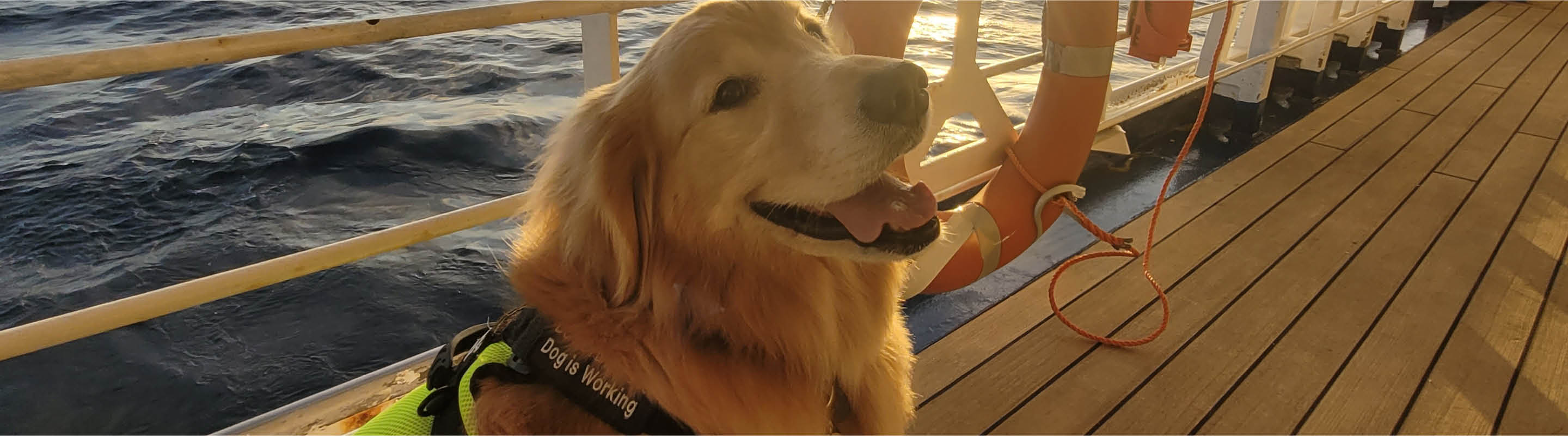
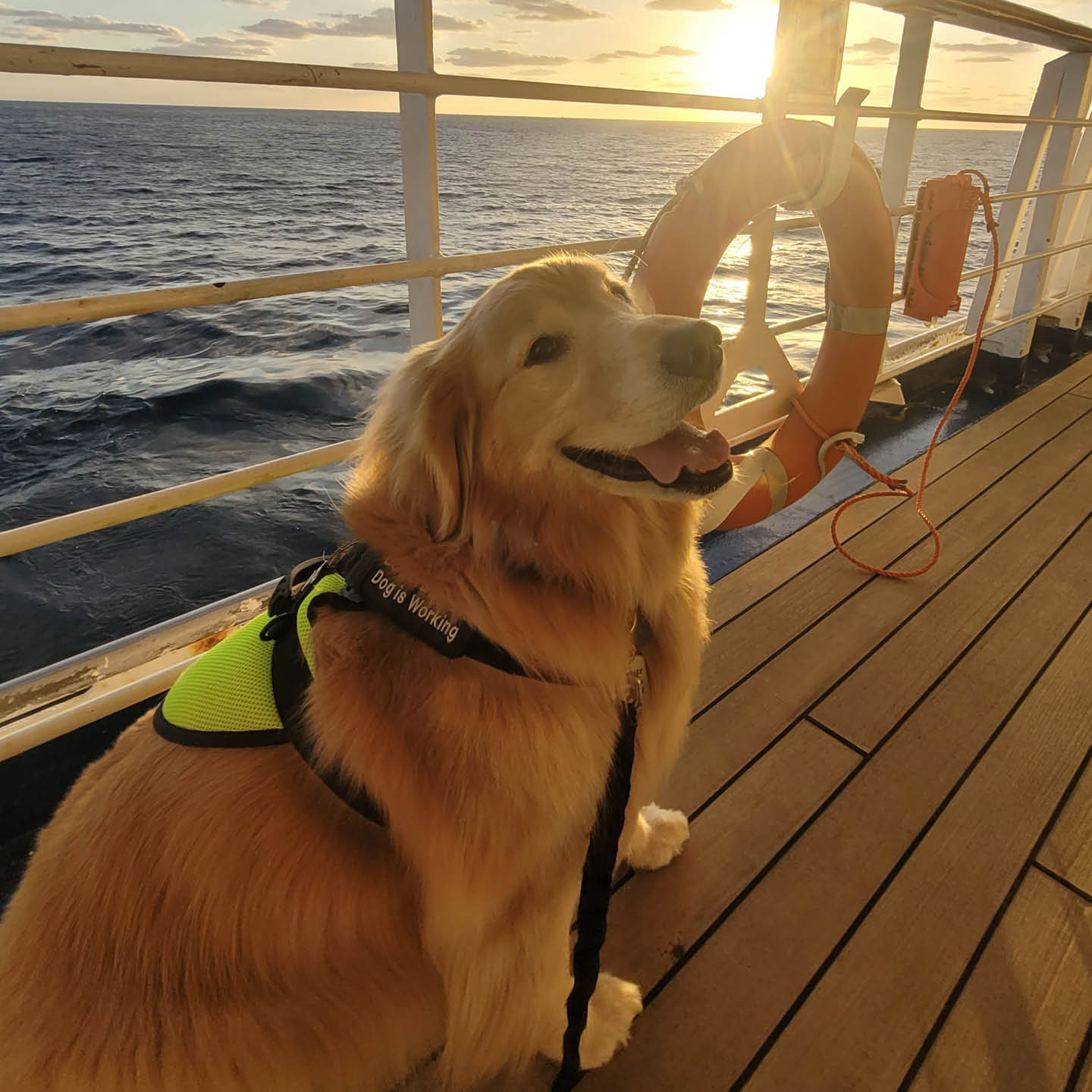
Cruising with a service animal

Service Animal Definition

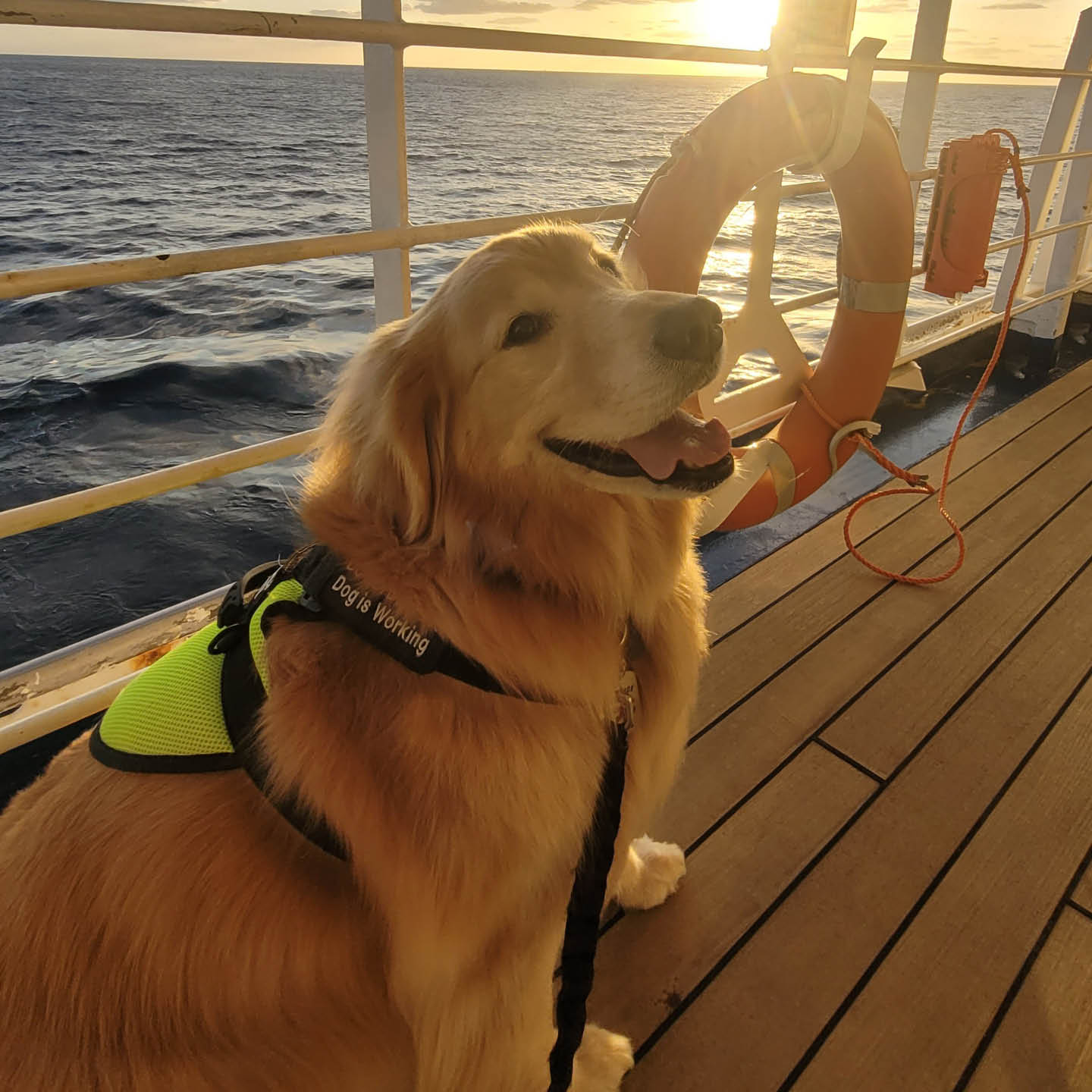
  • Most cruise lines only recognise trained service dogs that assist a person with a disability.
  • Emotional support animals or pets are generally not permitted.

Onboard Arrangements

  • Designated relief areas (often a grass or sand box) are provided on the ship for the service dog.
  • Crew can assist in maintaining the area, but the guest remains responsible for the animal’s care, feeding, and supervision.
  • Service animals are usually allowed in most public spaces, except where health regulations prohibit them (e.g., pools, food preparation areas).

Health & Documentation

  • Owners must provide vaccination records and health certificates before travel.
  • Some destinations have strict quarantine or entry requirements (e.g., islands and certain countries), which may limit where the service animal can disembark.

Shore Excursions

  • Guests should research port regulations in advance, as not all ports allow animals ashore.
  • Accessible excursions may be possible, but service animals might not be permitted in all vehicles or venues.

Planning Ahead

  • Notify the cruise line of your service animal well before sailing so arrangements can be made.
  • Carry documentation, food, and supplies for the entire voyage.
  • Be prepared for restrictions in some destinations due to local laws.

Overall
Cruising with a service animal is very possible with preparation. While the ship will provide support and facilities, it is important for travellers to plan carefully around documentation, port regulations, and their animal’s needs to ensure a smooth and stress-free holiday.

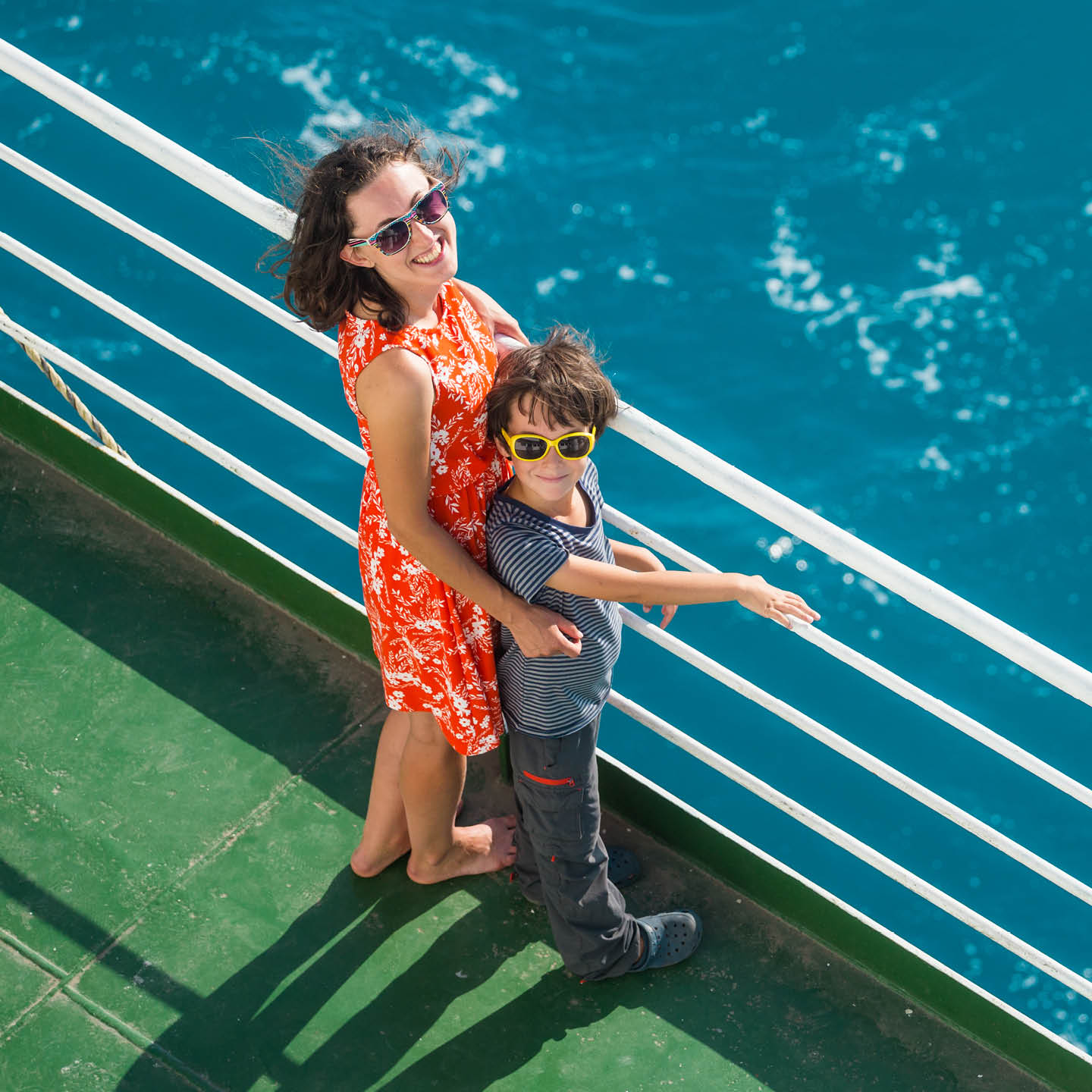
 

Cruising with Autism

Cruising can be an excellent holiday choice for individuals and families with autism, offering structure, routine, and a variety of safe onboard experiences. Many cruise lines now provide autism-friendly services to support sensory, communication, and social needs.

Onboard Support

  • Priority Services: Early boarding, priority dining, and simplified check-in available on some ships.
  • Sensory Accommodations: Quiet zones, sensory-friendly films, and reduced-noise activities.
  • Trained Staff: Crew may receive autism awareness training to better assist guests.

Youth & Family Programs

  • Kids’ clubs often adapt activities for children with autism.
  • Parents can request one-on-one support or attend activities alongside their child.
  • Some ships provide small-group or quieter play sessions.

Dining & Routines

  • Flexible or early mealtimes help reduce waiting and sensory stress.
  • Familiar foods or special dietary requests can usually be accommodated.
  • Assigned seating builds consistency and routine.

Excursions & Shore Days

  • Families may prefer private or small-group excursions.
  • Some cruise lines offer adapted, autism-friendly shore experiences.
  • Staying onboard during port days is also an option for a calmer day.

Planning Ahead

  • Notify the cruise line of any special needs well before departure.
  • Pack comfort items such as headphones, fidget toys, tablets, and favourite snacks.
  • Review the daily schedule in advance with your child to prepare for transitions.

Overall

Cruising with autism can provide a safe, inclusive, and structured way for families to travel together. With preparation and by using available support services, it can be a positive and memorable holiday experience.


Cruising with hearing impairment

Modern cruise ships are increasingly equipped with features and services to support guests who are deaf or hard of hearing, ensuring they can enjoy a safe and inclusive holiday.

Onboard Accessibility

  • Assistive Listening Systems: Many theatres and entertainment venues offer hearing loop or FM systems.
  • Captioning: Closed-captioned TVs, movies, and safety videos are often available.
  • Visual Alerts: Accessible cabins may include visual/tactile alerts for door knocks, alarms, and telephones.
  • Text & Vibration Alerts: Some ships provide pagers or devices to communicate ship announcements.

Communication Support

  • Sign Language Interpreters: May be available on request (advance notice required).
  • Written Materials: Daily schedules, menus, and emergency instructions can be provided in print or digital form.
  • Crew Training: Staff are increasingly trained in awareness and alternative communication methods.

Safety & Emergencies

  • Accessible Muster Drills: Safety information can be delivered visually or with interpreter support.
  • Emergency Alerts: Light or vibration-based alarms are available in accessible cabins.

Shore Excursions

  • Some tours offer written guides or interpreters if booked in advance.
  • Guests may prefer private excursions to ensure communication needs are met.

Planning Ahead

  • Notify the cruise line of hearing needs when booking.
  • Request accessible cabins or assistive devices early (availability is limited).
  • Bring personal devices (hearing aids, extra batteries, or portable amplifiers).
  • Carry printed copies of key information (itineraries, contacts, schedules).

Overall

Cruising while deaf or hard of hearing is very achievable. With advance planning and by using the ship’s accessibility services, travellers can enjoy a safe, comfortable, and inclusive holiday at sea.
Accessible Cruising Guides & Deck Plans

Cruise offers Reviews

AUSTRALIA’S LEADING CRUISE MARKETPLACE